1. Let responders lead
Fire and emergency crews handle the immediate danger. Cleanup begins only when responders say the scene is safe to enter, and the team asks what they found.
St. Robert, MO · Pulaski County
What happens after the fire department clears a hazmat scene in St. Robert? The site still needs cleaning. Call (877) 812-4220 for containment, removal, surface cleanup and records for your insurer.
If anyone is in danger, call 911 first. For a suicide crisis, call or text 988.
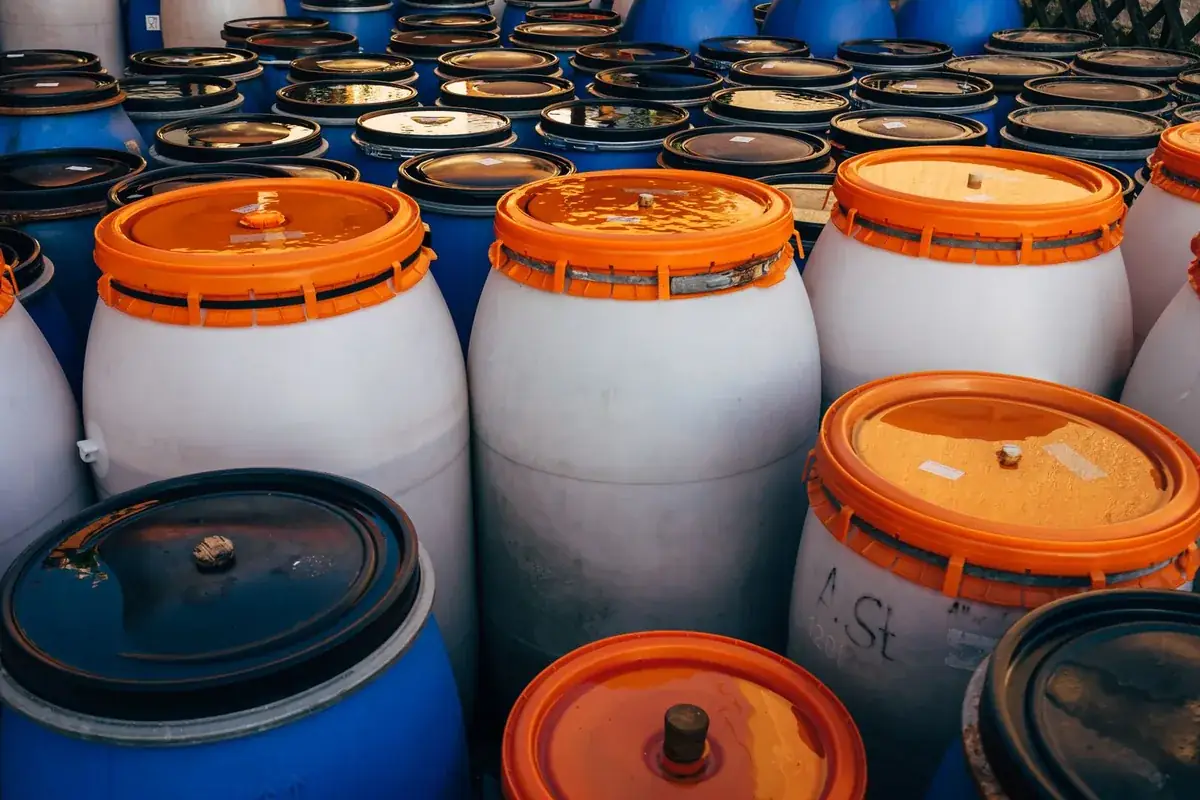
Hazmat remediation is the broader process of restoring a site after a hazardous release. It includes removal, decontamination, waste hauling and the records that owners, insurers and inspectors often request.
Get free of the mess after a leak, accident or abandoned container in St. Robert, MO. For hazmat remediation in Pulaski County, call St. Robert Biohazard Cleanup Help. Keep people and pets away from your work zone, and never mix products.
Wet weather in St. Robert, about 48 inches a year, makes fast containment of a release even more important. Pulaski County has a Relatively Low river flood risk rating from FEMA, but a leak near a ditch or storm drain can still carry hazardous materials off a property.
Hazmat Cleanup in St. Robert usually includes:
Fire and emergency crews handle the immediate danger. Cleanup begins only when responders say the scene is safe to enter, and the team asks what they found.
Flammables, corrosives, poisons and oxidizers are separated. Anything leaking is packed in secondary containment right away.
Barriers and absorbents stop the material from spreading. The product, damaged containers and contaminated items are collected in suitable sealed containers.
Different materials are kept apart so they cannot react. Waste leaves the site by the route and rules that apply to its type.
Hazmat cleanup in St. Robert, MO typically costs $4,000 to $40,000, depending on the size of the affected area and the materials involved.
Unknown materials add time. When labels are missing, crews must identify the contents before they can pack and move them, and that work adds hours.
| Type of job | Typical range |
|---|---|
| Small to mid-size spaces | $4,000 - $40,000 |
| Initial cleanup and containment | $6 - $20 per square foot |
Estimates only, not a quote. Sources: One and Done Prep. Price drivers include type of contaminant, square footage, containment setup, waste disposal. Call (877) 812-4220 to talk through the job.
It is the decontamination of tools, gear, machinery and vehicles that touched a hazardous material. Items are cleaned with products suited to the material, and those that cannot be made safe are packed for disposal.
Crime scene crews mainly use detergents and EPA-registered disinfectants against germs, not harsh industrial chemicals. Hazmat crews choose products to match the hazardous material instead. Products are never mixed, and labels set the contact time.
Usually yes. Crews arrive in unmarked vehicles, work quietly and keep the job private. Tell the team at the start if discretion matters, and it will plan around that.
Fire and emergency crews respond to immediate dangers, so call 911 first. They make the scene safe. Cleanup usually follows once they release the site. You can then get a cleanup team for removal, cleaning and disposal, and learn what records to keep.
Yes. Floods and fires can break containers and mix contents. Crews identify what spilled, contain it and remove damaged containers and soaked materials. They also clean the surfaces the release touched.
Some do, but the work is different. Biohazard cleanup deals with blood and germs, while hazmat deals with harmful substances. Ask whether a team has the gear and procedures for the specific material before hiring it.
Day or night, the call starts with safety.
Call (877) 812-4220