1. Talk through what you have
You describe the waste, where it is and who can reach it. The team explains what it can pick up and how access can be arranged.
St. Robert, MO · Pulaski County
Have gloves, pads and syringes piled up after a long illness at home in St. Robert? Call (877) 812-4220. A cleanup team can sort, seal, label and remove the waste so nobody has to touch it.
If anyone is in danger, call 911 first. For a suicide crisis, call or text 988.
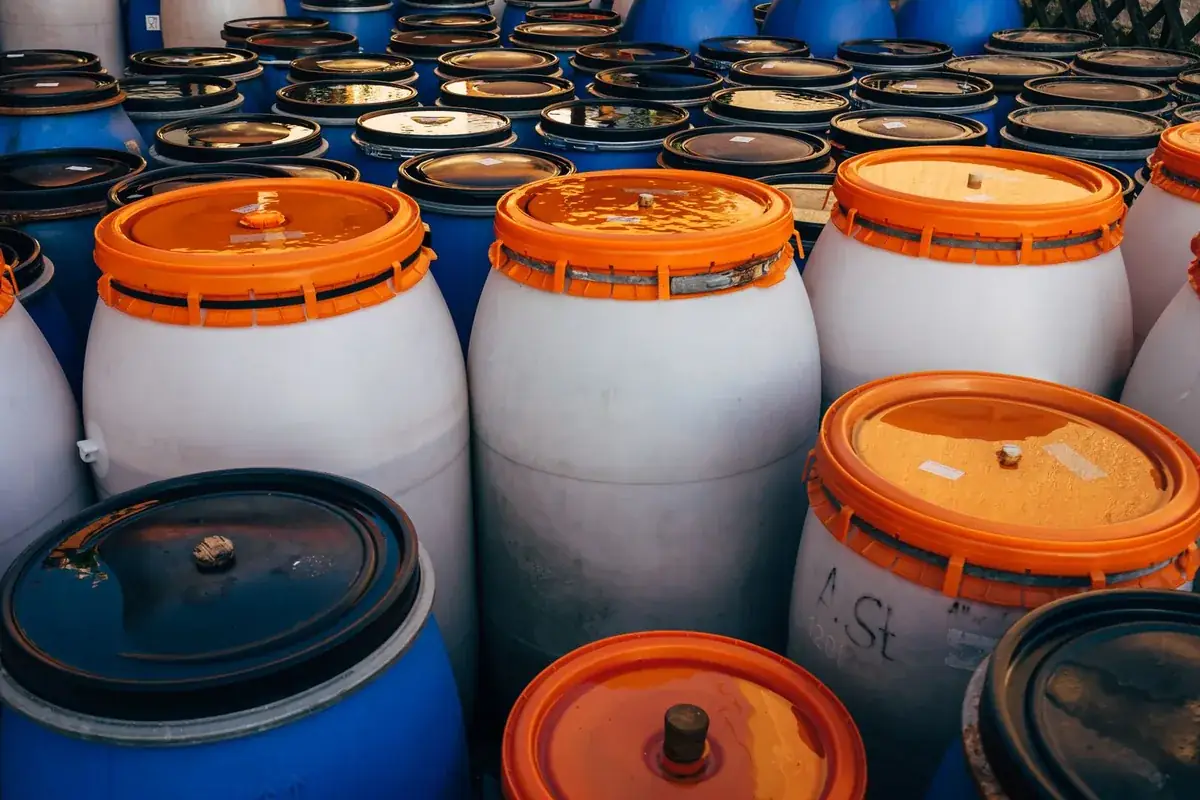
Biohazard material disposal is the final stage of a cleanup, where sealed containers leave the property and go to a facility that treats or destroys the waste. Each step of that route matters, because skipping one can leave a hidden hazard.
In St. Robert and across Pulaski County, you can get medical waste removal for your family, rental or small practice with help from St. Robert Biohazard Cleanup Help. Crews pack the waste in sealed, labeled containers and explain how it will be hauled and disposed of.
Even in a community like St. Robert, where seniors are only about 13% of residents, medical waste turns up after injuries, surgeries and clinic work. If anyone is stuck by a needle or splashed, the nearest emergency room is Phelps County Regional Medical Center in Rolla, about 22 miles away. Call 911 if it is an emergency.
A typical medical waste removal job includes:
You describe the waste, where it is and who can reach it. The team explains what it can pick up and how access can be arranged.
Contaminated items are separated from clean ones and sealed in labeled biohazard bags or rigid containers.
Waste is loaded, the area is checked for stray items and surfaces are wiped down before the crew leaves.
Surfaces are disinfected and a last walk-through confirms nothing was missed before the job is closed.
The cost of medical waste removal in St. Robert, MO depends on the amount of material, how it is packed and how it is hauled.
Timing can matter too. Urgent same-day needs, nights and weekends may be handled differently from a pickup booked in advance.
| Type of job | Typical range |
|---|---|
| Regulated medical waste | $0.30 - $0.80 per pound |
| Medical waste disposal | $2 - $20 per pound |
| Small physician practice | $75 - $200 per month |
| Dental office | $50 - $175 per month |
Estimates only, not a quote. Sources: MedPro Disposal, Fixr. Price drivers include weight of waste, type of waste, how often pickup happens, container and transport fees. Call (877) 812-4220 to talk through the job.
Wash the area with soap and water and get medical care right away. Call 911 in an emergency. Poison Control can answer exposure questions. Tell the doctor what happened and, if you can, where the needle was found.
Sealed containers are taken to a facility that treats regulated medical waste, which makes it safe for final disposal. Ask the team how its waste is hauled and disposed of. A disposal record can help when an insurer or landlord asks, so request one when you need it.
Many teams can arrive in an unmarked vehicle and work quietly. If privacy matters, ask about it when you call. The team asks only what it needs to plan the job, and you decide what else to share.
A cleanup team can remove medical waste left after a death, such as needles, soaked supplies or contaminated linens. If the death involved a crime or an investigation, work starts only after authorities release the property. Ask about discreet arrival when you call.
It can be. A bandage soaked or dripping with blood may carry bloodborne pathogens, and handling it carelessly can expose skin or eyes. A lightly stained one is a smaller concern. If you are unsure, use gloves, bag it, and ask a cleanup team or the local health department what to do.
They are germs that spread through blood and some other body fluids. Hepatitis B, hepatitis C and HIV are examples. Workers who may come into contact with them are covered by the OSHA Bloodborne Pathogens Standard, 29 CFR 1910.1030.
Ask about discreet arrival in an unmarked vehicle if privacy matters.
Call (877) 812-4220